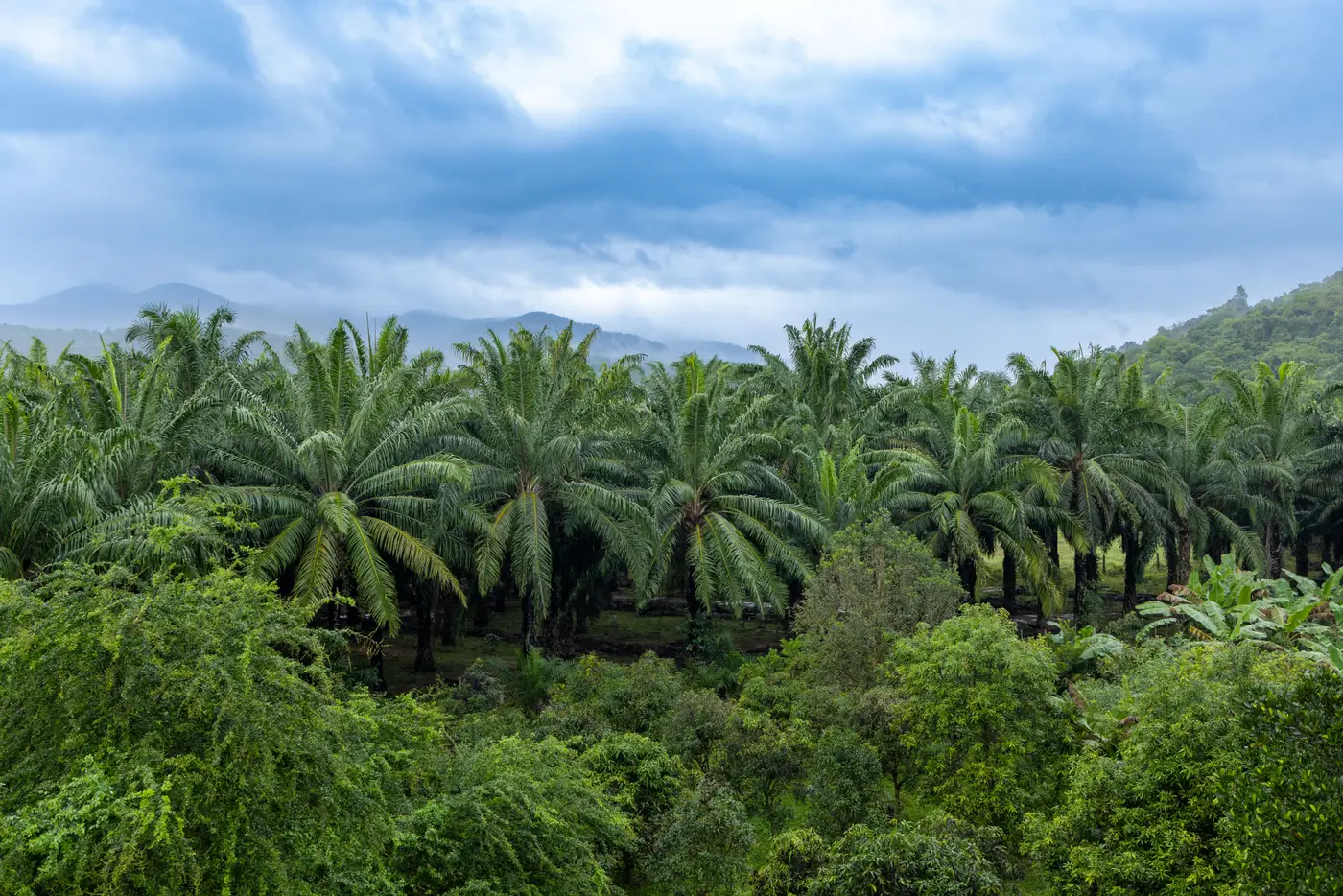
A change log, in this context, is the record of what moved on the ground at a specific site between one screening pass and the next. It's a dated entry tied to coordinates: a tailings-dam footprint grew by some margin, a flare that wasn't burning in the prior pass is burning now, tree cover at the edge of a concession thinned out, a new structure appeared inside a buffer zone that was supposed to stay clear.
If you cover a book of thirty or forty holdings with physical-asset exposure, you already know the problem the log is solving. A disclosure comes in once a year, sometimes once a half-year if you're lucky, and it tells you what the company wants you to know about its own sites. A change log tells you what changed at the coordinates, independent of what got written up. Those two things frequently line up. When they don't, that gap is the whole point of the exercise.
What goes into a site-level log
A proper log entry isn't just "something changed." It names the site, gives the date range of the comparison, states what category of change was flagged (deforestation, tailings-dam footprint, flaring, encroachment), and shows the before-and-after so you can judge it yourself rather than take someone's word for it. Good logs are boring to read, in the way a bank statement is boring. Line, date, amount, running total. That's the design goal, because boring is auditable and a narrative summary isn't.
The cadence matters as much as the content. A single snapshot tells you the state of a site on one day. It can't tell you whether a dam footprint has been creeping outward for six quarters or just arrived at its current size last month. A log only works as a log if there's a prior entry to compare against, which is why it's built on a fixed screening cycle rather than a one-off pull. Each new pass gets measured against the last one, and the delta gets written down, not just noticed and discarded.
Why a log beats a snapshot for stewardship work
A snapshot tells you what a site looks like on the day of the pass. A log tells you whether this holding's physical footprint has been getting better, worse, or staying flat, and since when. For an engagement call, that second question is the one that actually matters. If a portfolio company's flaring footprint has shown no change across four quarters while their sustainability report talks about flaring reduction, that's a specific, dated discrepancy you can raise in the engagement call.
It also changes what the engagement conversation sounds like. "Your site at these coordinates shows a tailings-dam footprint expansion of this magnitude between Q2 and Q3" lands differently than "we have some concerns about your tailings management." One is a fact with a date attached. The other invites a company to manage the narrative instead of answer the question.
There's a filing benefit too, separate from the engagement benefit. If a regulator or an LP asks how a stewardship team is monitoring physical risk at portfolio-company sites between disclosure cycles, a dated log with before-and-after imagery for each flagged change is a cleaner answer than "we review the sustainability report when it's published." It shows the monitoring happened on a schedule, not only when something made the news.
Where it sits in a stewardship file
None of this replaces reading the disclosure. A log doesn't tell you intent, doesn't explain a company's remediation plan, and doesn't know whether an expansion was permitted, it only tells you that the footprint grew. What it does is give you a second, independent data point to cross-check the first one against, site by site, on a schedule you control rather than one the company sets.
ESG Screening builds exactly this: a quarterly map-layer pass over portfolio-company sites, flagging deforestation, tailings-dam footprint change, flaring and encroachment, delivered per holding as a risk map alongside the dated change log described above.
If you're trying to keep a stewardship file honest between disclosure cycles, that's the gap this kind of screen is built to close.